
Building Skjander: Dan Brown on biodiversity, markets and conviction
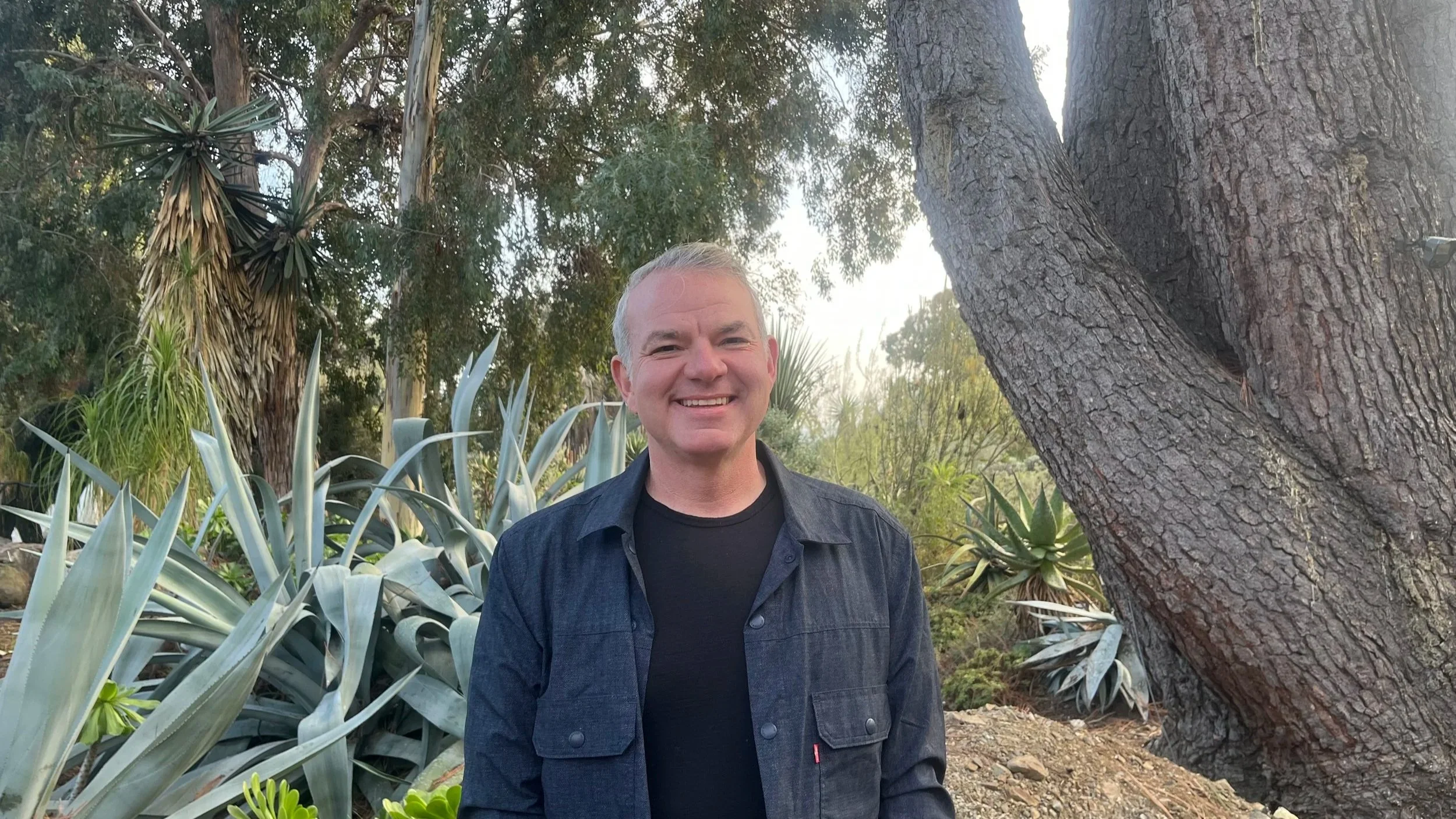
Dan Brown is one of Skjander’s original founders, with a career spanning agriculture, financial markets, and cross-border investment between Australia and the United States. In this conversation, Dan reflects on how Skjander came together, why regulated biodiversity markets stood out as a credible investment opportunity, and what it takes to make nature investable — with the same discipline, data, and regulatory rigour expected of any alternative asset class.
How did you get involved in launching Skjander?
I was fortunate to be one of the original four founders at Skjander. We had all worked together previously as colleagues and business associates. What brought us together was a genuine care for conservation and a shared ambition: to pursue opportunities where profitability and preservation could genuinely be achieved together rather than traded off.
Over the course of a year we pulled together a pipeline of opportunities and potential deals across several parts of the natural-capital space. As we applied both empirical data and the collective experience of our team, it became clear that biodiversity markets offered the most immediate, scalable, and well-supported opportunity. The combination of verifiable underlying data, clear regulatory frameworks, and our existing domain knowledge made Skjander a natural next step.
What was your background before Skjander?
I grew up farming in Kansas. If you dropped a pin in the middle of America, you’d be close to where my family still lives. Growing up in agriculture showed me early on how biodiversity, soil health, ecosystems and land management practices are all deeply interconnected. You see the impacts directly on the land and in the livelihoods that depend on it.
Australia is my second home. I lived there for many years and genuinely love the people. I’ve been fortunate to hold roles that allowed me to work between the two countries, including serving with the Queensland Government as a liaison to the American investment community, helping attract international capital into key sectors.
While most of my career has been in financial markets and venture capital, I’ve also worked directly across agriculture and environmental sectors in Australia while at Macquarie Group. That experience gave me a firsthand view of how complex and challenging emerging environmental markets can be for landholders, even when the opportunities are meaningful and well aligned with long-term land stewardship.
What is your role at Skjander, and what do you spend your days on?
Since we founded Skjander I’ve had a range of roles as we’ve grown the team and shaped the business, moving from business strategy to capital raising. Currently I focus on investor relations, working with the team to raise capital for our first fund, talking to investors, building relationships and educating the market about biodiversity as an asset class.
What convinced you that biodiversity could be the next major investment frontier?
During my time with Macquarie’s alternatives and agriculture operations, I saw how alternative asset classes became a key driver of portfolio returns for high-net-worth, family office, and institutional investors. When evaluating emerging segments, biodiversity and natural capital stood out - particularly the regulated biodiversity markets - as a space where strong financial performance aligns directly with tangible environmental impact. And right now there is a rare opportunity to be both early and impactful in what is becoming a major asset class.
When you talk about biodiversity as an asset class, what does that actually mean in practice?
Our team views natural capital as the underlying ecological assets - forests, soils, water systems, species and biodiversity - that provide the base foundation for economic activity. In the context of financial markets, what we do at Skjander is look for unrealised value and invest into those natural systems in the same disciplined way a fund manager would traditional assets. The difference is that natural capital offers the opportunity to generate not just financial yield but also measurable ecological outcomes.
What parallels or lessons do you draw from other market transitions like carbon, renewables or water?
Fifteen years ago, in the early days of the carbon markets, the idea of carbon offsetting was relatively new and niche both in Australia and globally. Today, it’s a normalised part of corporate and land management practice, with participants across the economy engaging directly in these markets.
At Skjander, we see biodiversity following a similar trajectory, only with even greater potential. Policy momentum and global frameworks have positioned biodiversity markets to match, and in many cases surpass, carbon as the major environmental asset class. Which makes sense - our economies and livelihoods depend fundamentally on nature. Everything from food production and water security to supply-chain resilience and long-term asset value is tied to functioning ecosystems. As these dependencies become clearer, the demand for credible, investable biodiversity outcomes is accelerating rapidly.
What’s one misconception people have about biodiversity and natural capital investing?
A common misconception is that biodiversity and natural capital investing are entirely new or untested. In reality, the regulatory frameworks, compliance schemes and underlying data that enable private market participation have been operating for decades in multiple markets around the globe. Many advisors and investors are often surprised by the depth of historical data and the rigor of analysis supporting our investment allocation strategy.
What would you tell investors who are curious about entering the space?
Biodiversity and natural capital is an exciting, emerging market with credible opportunities. The foundations have been building for decades, so this isn’t greenfields territory, but it is still a frontier with significant opportunities, both for financial returns and real-world environmental impact. Investors entering the market should treat it like any sophisticated alternative asset: do your due diligence, understand the regulatory and impact frameworks, and work with managers who understand the market’s complexity.
